
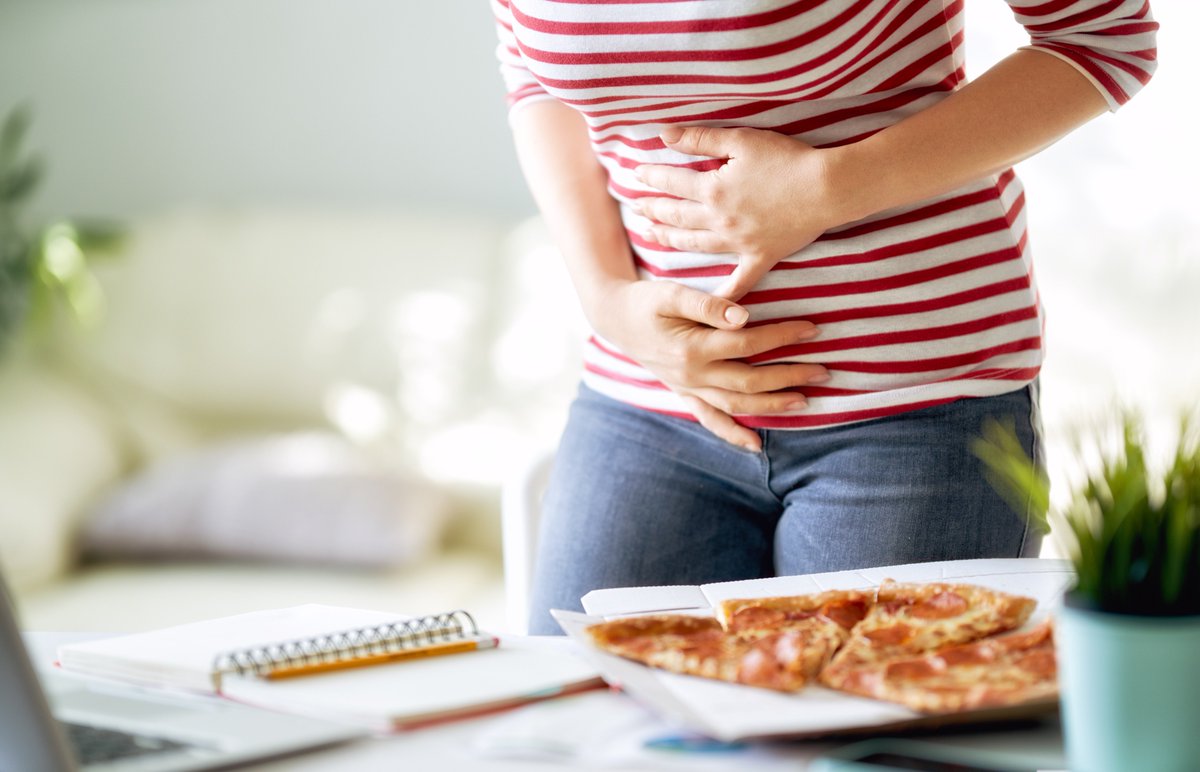
Causes of flatulence
Causes of flatulence: Beware of it, as it may be a symptom of serious diseases
Bloating is defined as enlargement and enlargement in the abdominal area, and it is always accompanied by a feeling of fullness and discomfort in that area. It is common among a large group of people and is usually a simple symptom resulting from following wrong habits in the diet or swallowing a large amount of air, and in some cases Sometimes this may be an indication of the presence of serious diseases that cause serious health problems in the digestive system, especially if this bloating continues for long periods without disappearing. Therefore, through this article, we will learn about the causes of flatulence, how to treat it, and when to see a doctor.
What is flatulence?
Flatulence, or what is known as stomach bloating, results from the presence of gases consisting of oxygen, hydrogen, nitrogen, and sometimes methane gas in the digestive tract, which is excreted either through belching if it settles in the upper part of the digestive tract, or through the anus if it settles. in the stomach and intestines.
It is worth noting that passing gas is normal, but if the rate of passing gas increases beyond the normal rate and the condition continues for a long time, the patient may feel severe pain, and his daily activities may be clearly affected. Therefore, he must be treated quickly after finding out the causes of his flatulence, and whether they are satisfactory or not.
What are the symptoms of flatulence?
Before talking about the causes of flatulence, we find that there are many symptoms resulting from the accumulation of gases in the digestive system, the most prominent of which are the following:The abdomen has
-
- The abdomen has increased significantly.
- Severe pain in the abdomen, accompanied by some cramping
- Feeling of fullness and pressure in the abdominal area.
- Passing gas more than 20 times a day
What are the causes of flatulence and large size?
The causes are divided into two parts: pathological and non-pathological causes. Among the most common non-pathological causes of flatulence are the following:
- air swallowing
Swallowing a small amount of air when eating does not affect the digestive system, but when swallowing more of it repeatedly leads to flatulence.
Many foods cause a large amount of air to be swallowed, including the following:
- Legumes such as lentils and beans
- Dairy products.
- Carbs like potatoes
Vegetables such as broccoli, onions, and cabbage.
In addition to these foods, certain behaviors that also cause air swallowing include smoking, chewing gum, and eating too quickly.
- Diet
- A diet that works on foods that cause flatulence, such as:
- Carbohydrates: Excessive intake of them causes the formation of gases inside the large intestine (colon), unlike proteins, but sometimes they may cause an unpleasant smell of gases.
- Fiber has an effective role in improving the functioning of the digestive system and regulating the rate of sugar and cholesterol in the blood, and despite this, we find that it increases the formation of gases when excessively consumed.
- Foods containing artificial sweeteners (sorbitol and mannitol) cause flatulence.
- Processed foods, which are among the most common causes of flatulence, because they take a long time to digest because they contain some preservatives, but we have to warn that not all of these foods cause flatulence as they differ from person to person.
- drinks
One of the most common causes of flatulence is excessive consumption of the following drinks:
- Carbonated drinks, such as soda water, which significantly increase stomach gas after consuming it.
- Drinks that are high in fructose, such as fruit juices.
What diseases cause flatulence?
Flatulence may be a symptom of serious diseases, and these diseases are among the pathological causes of flatulence that require a visit to the doctor for treatment, the most prominent of which are the following:
- Ulcerative colitis
- chronic constipation
- Irritable bowel syndrome.
- Crohn’s disease.
- diabetes
- Inflammation of the pancreas responsible for the secretion of digestive enzymes.
- Gastroesophageal reflux or what is known as gastric acid reflux.
- Ulcers.
- Increased bacterial growth in the small intestine, which may result in diarrhea, and then weight loss.
- Sensitivity to some food ingredients such as lactose in dairy products or gluten in wheat grains.
When is flatulence a sign of a more serious disease?
Flatulence poses a threat to human health when it is accompanied by some of the following signs and symptoms:
- bloody stools
- Involuntary defecation resulting from a defect in bowel movement.
- Unexplained weight loss.
- Constant pain in the abdomen and chest
- Chronic constipation or diarrhea.
- Constant vomiting and nausea.
- temperature rise.
- Pain in the joints and muscles.
These symptoms are a clear indication of a serious illness. So if you feel any of these symptoms, you should go to the doctor immediately.
What is the treatment of bloating and gases for adults?
There are some medications and nutritional supplements that help reduce flatulence, but they must be used under the supervision of a doctor, the most important of which are the following:
- pharmaceutical
- The use of certain medicines such as bismuth subsalicylate and simethicone (Gas-X, Phazyme): These medicines are prescribed for people who suffer from Irritable Bowel Syndrome or a high rate of bacterial growth in the intestines, as they work to reduce abdominal pain by eliminating gases.
2.supplements
- Alpha-galactosidase (Beano): It is one of the best nutritional supplements that has an effective role in breaking down carbohydrates and legumes that are difficult for the stomach to digest, and it must be taken immediately before a meal.
- Lactase supplement: It breaks down the sugar (lactose) in dairy products; Therefore, it is the perfect choice for those with lactose intolerance.
What is the role of therapeutic nutrition in the treatment of flatulence?
Therapeutic nutrition plays an important role in getting rid of bloating, as the nutritionist is keen to provide a set of tips and instructions to achieve this, which are summarized in some of the following points:
- Reducing foods that cause bloating, and avoiding behaviors that increase the rate of air swallowing, such as smoking and chewing gum.
- Replacing carbohydrates that take a long time to digest with simple carbohydrates, including bananas, rice and boiled potatoes.
- Divide the three main meals into five meals at a rate of one meal every two hours to improve digestion and absorption.
- Drink plenty of water throughout the day, according to body weight, at a rate of 30 ml per kilogram, in order to avoid constipation.
- Doing regular exercise at least 3 times a week as it promotes digestion.
- Use a warm pillow on the abdomen to reduce the pain and cramps that occur in severe bloating.
- Avoid some vegetables that cause flatulence, including garlic, onions, broccoli, and cabbage.
- Eating natural herbs such as ginger greatly reduces bloating.
- Reduce or eliminate sugar substitutes.
- Eating slowly and chewing well reduces flatulence.
- Avoid meals that are high in fat, such as fried or fatty foods.
In conclusion…we have talked about the symptoms and causes of flatulence in detail; So, dear reader, if you suffer from these symptoms, you should follow the advice that we mentioned, but you must visit a doctor if the symptoms become severe and become more dangerous to receive appropriate treatment.
Sources – External links
- https://www.healthline.com/health/gas-flatulence#causes
- Putting the link on a word about treating bloating and gas for adults (medicines and supplements)
- https://www.mayoclinic.org/diseases-conditions/gas-and-gas-pains/in-depth/gas-and-gas-pains/art-20044739
- The link can be placed on any word of the causes of flatulence (swallowing air)
